SoFiiT
A student well-being platform piloted at USC.


About
My role
Product designer
Timeline
May 2024 – May 2025
Project member
Ennis Zhuang (Product designer)
Ruby Zhang (Co-founder)
Kenny Wang (Co-founder)
Lucas (Engineer)
Goal
Design for meetup, not endless scrolling
SoFiiT helps college students meet in person, work out together, and improve mental and physical well-being. Over a year-long engagement, we built and iterated the product with real on-campus feedback at USC.
My impact
User Growth & Retention · Launched at USC
Data & Conversion
27% faster onboarding completion time was achieved by optimizing user journeys using heatmaps and focus group feedback, leading to higher user satisfaction.
A 42% increase in 14-day retention was driven by refining the mechanism and overall design to create a more engaging experience after release.
A 68% preference completion rate was reached by enhancing the final onboarding step with micro-interactions, real user profiles, and subtle visual cues.
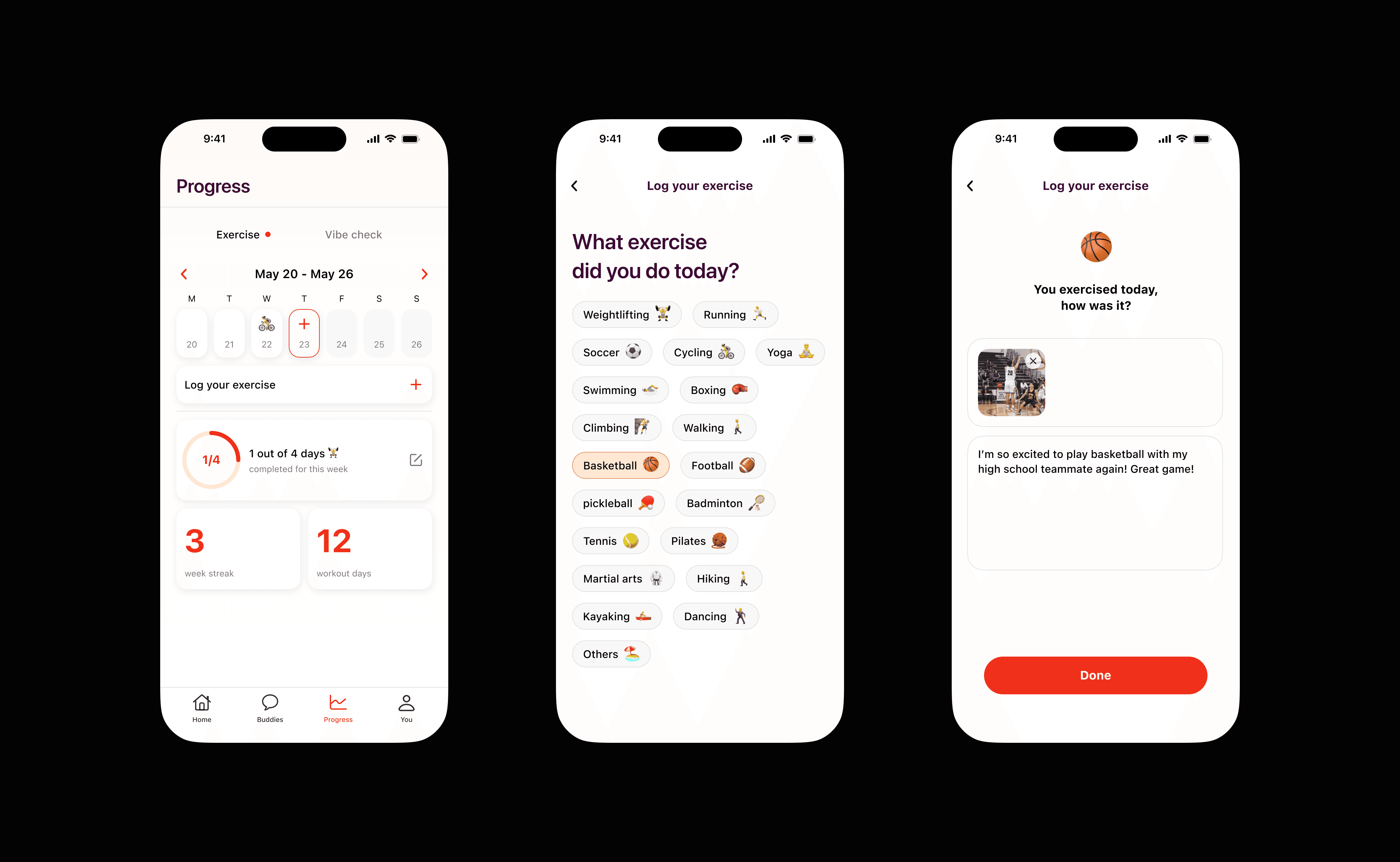
A 26% increase in logging activity resulted from adding interactive elements that encouraged users to reflect on and log their journey.
(All data is tracked by Smartlook)
Team

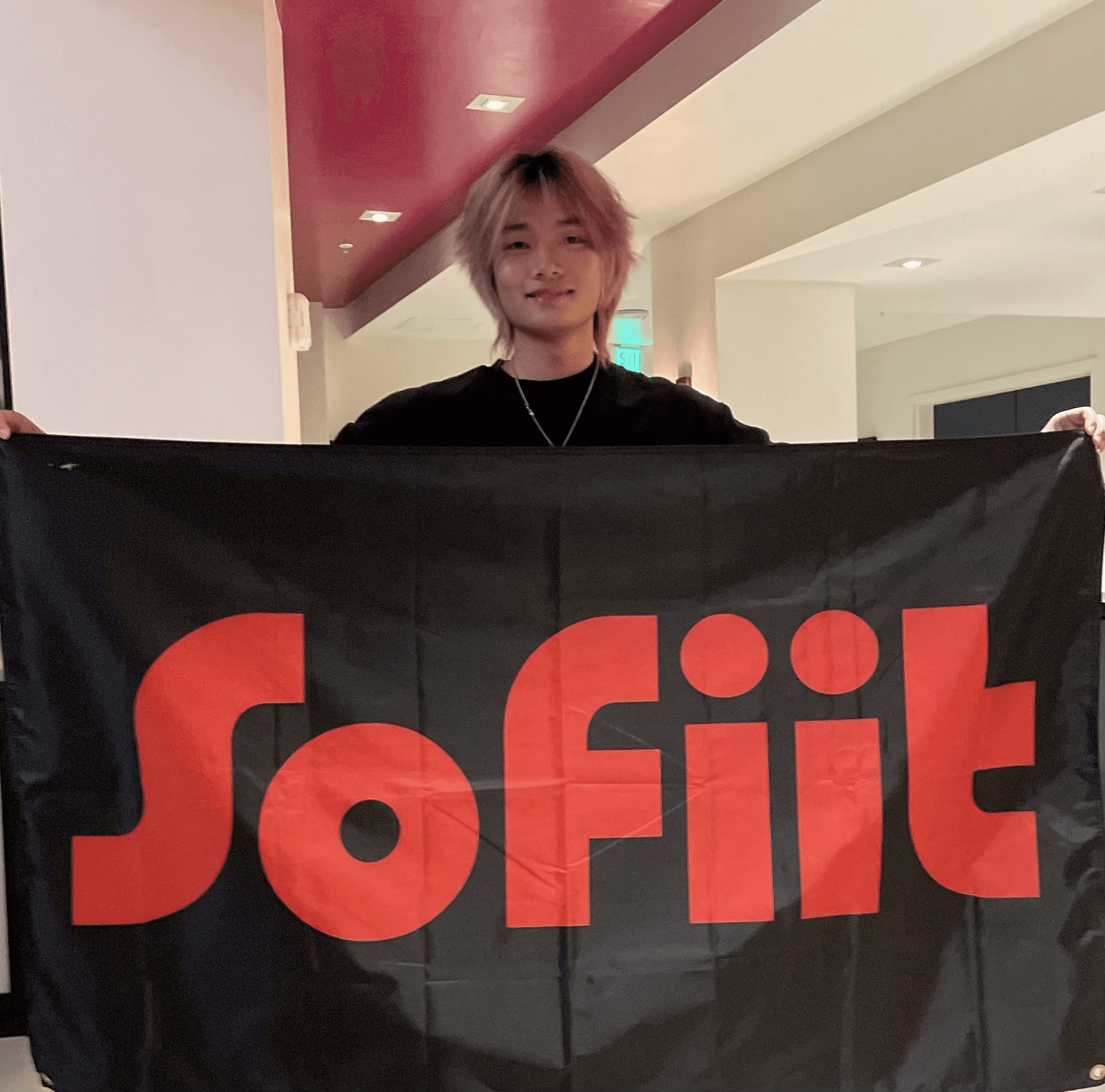
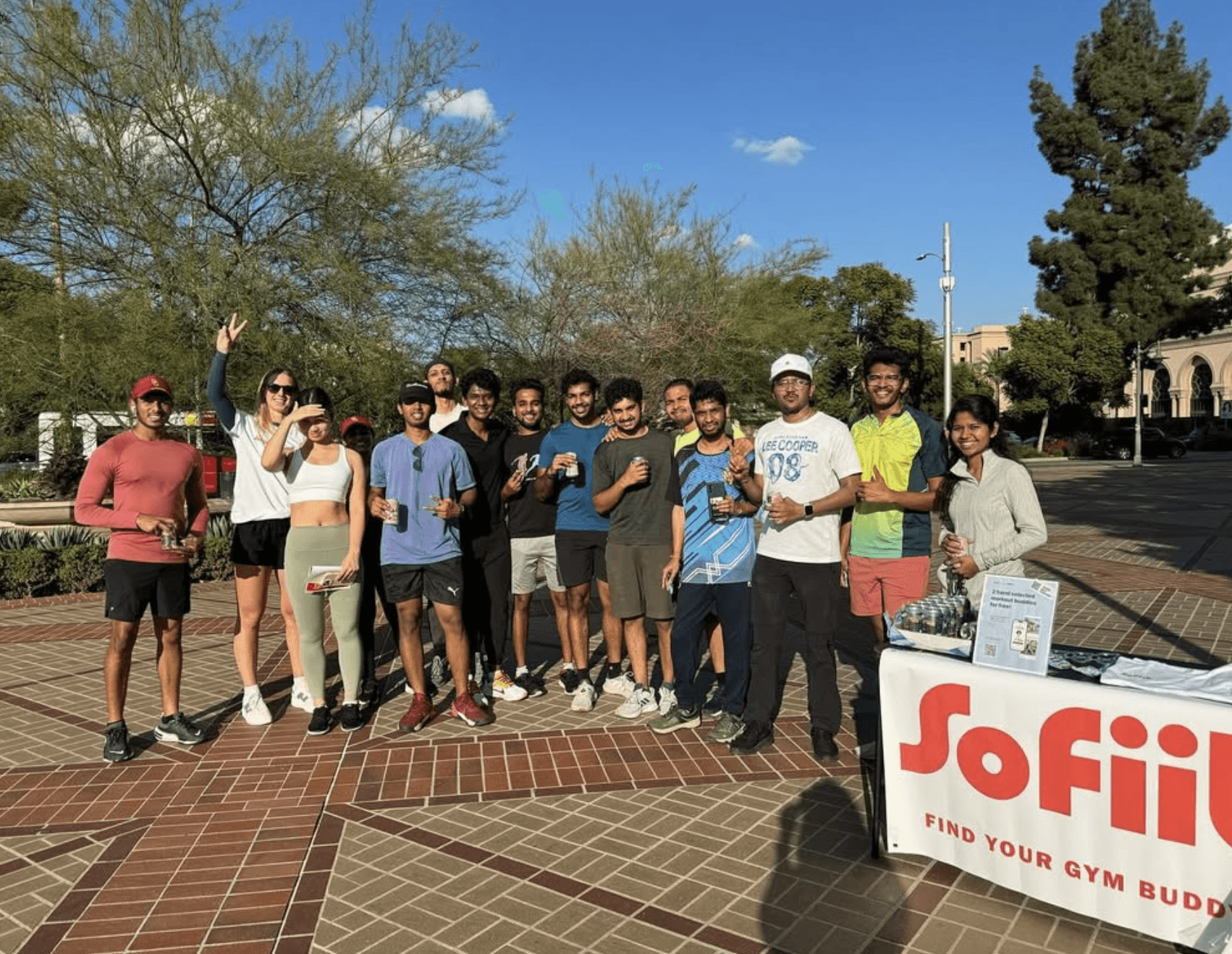
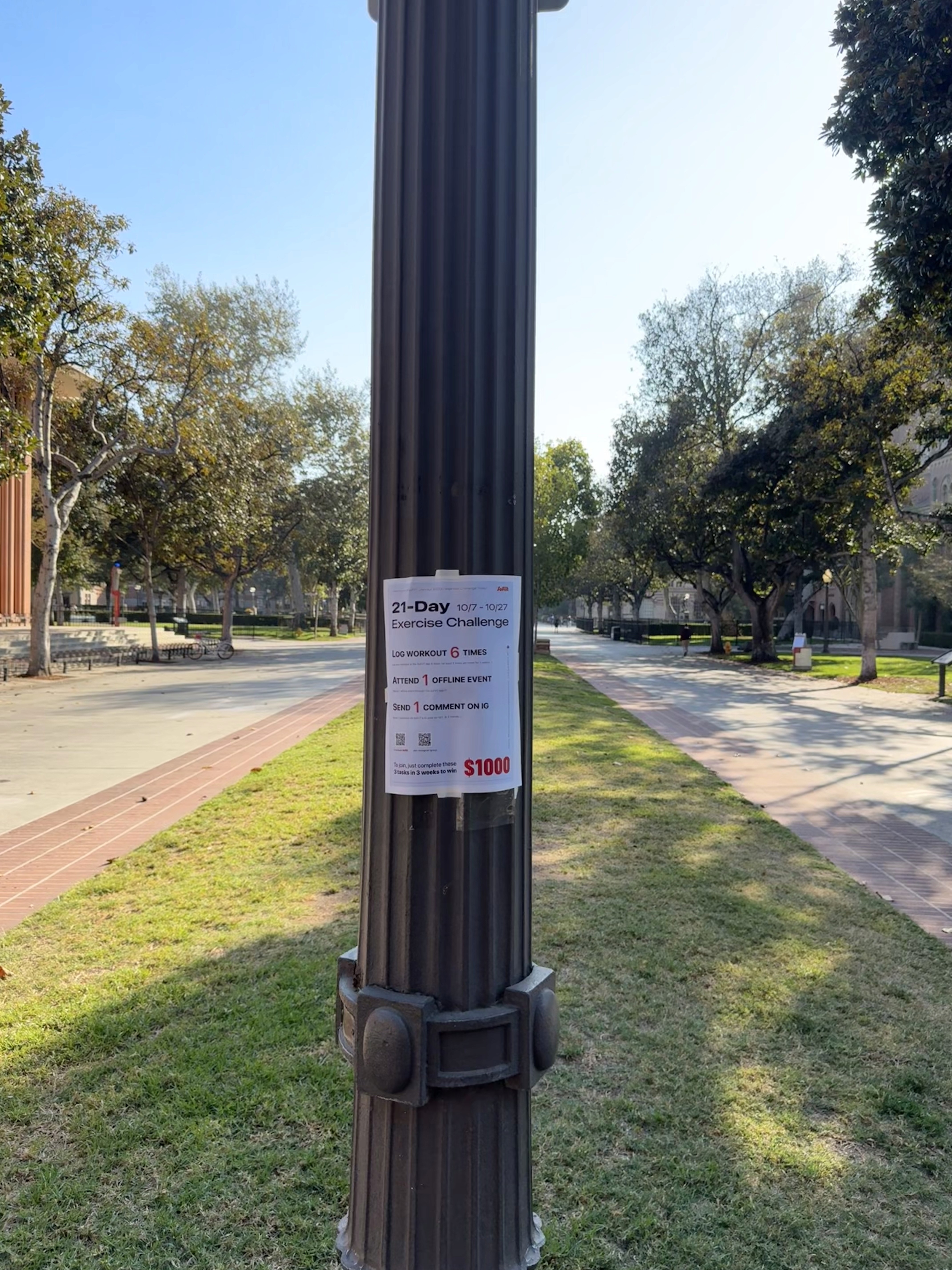
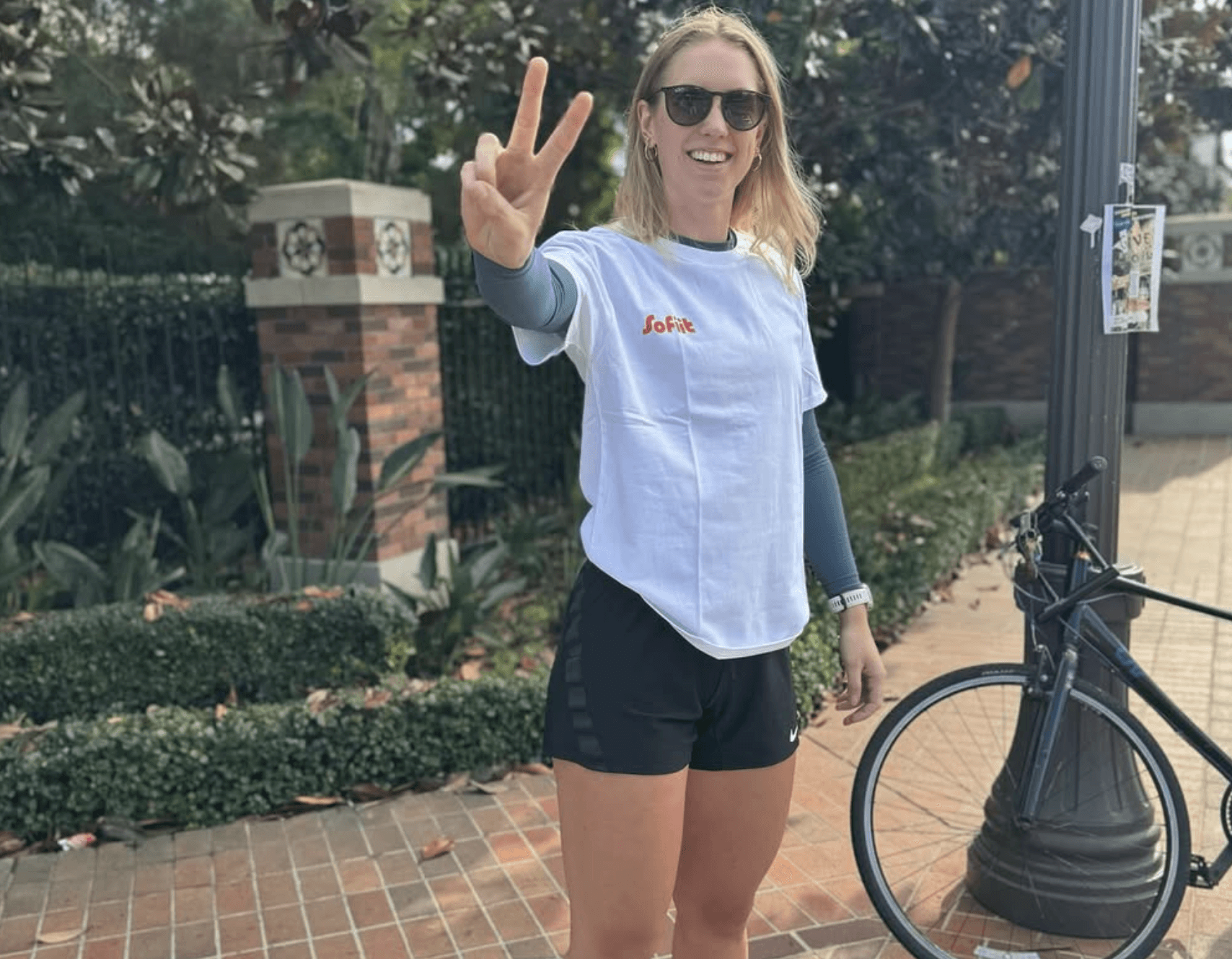
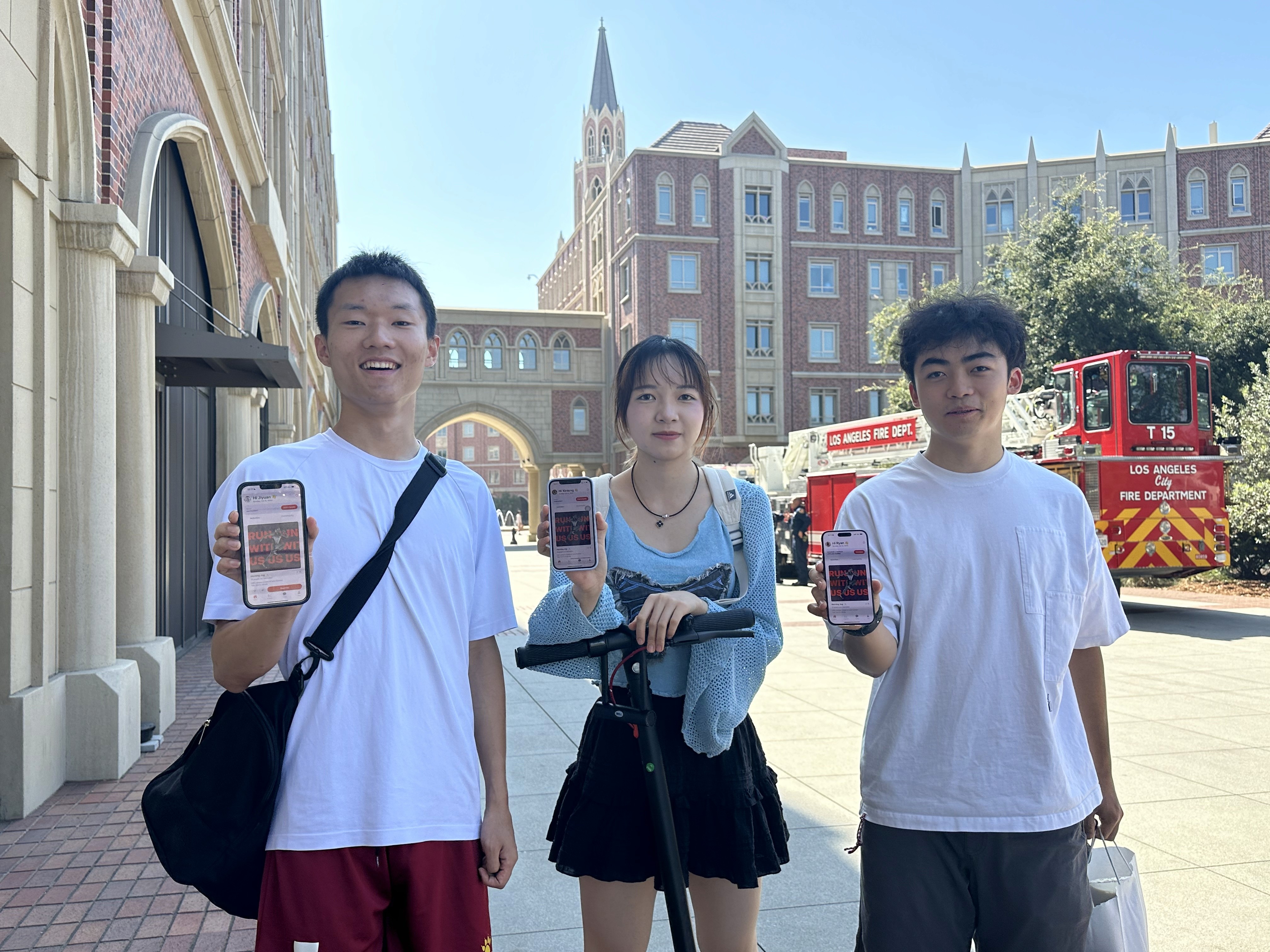
USC campaign

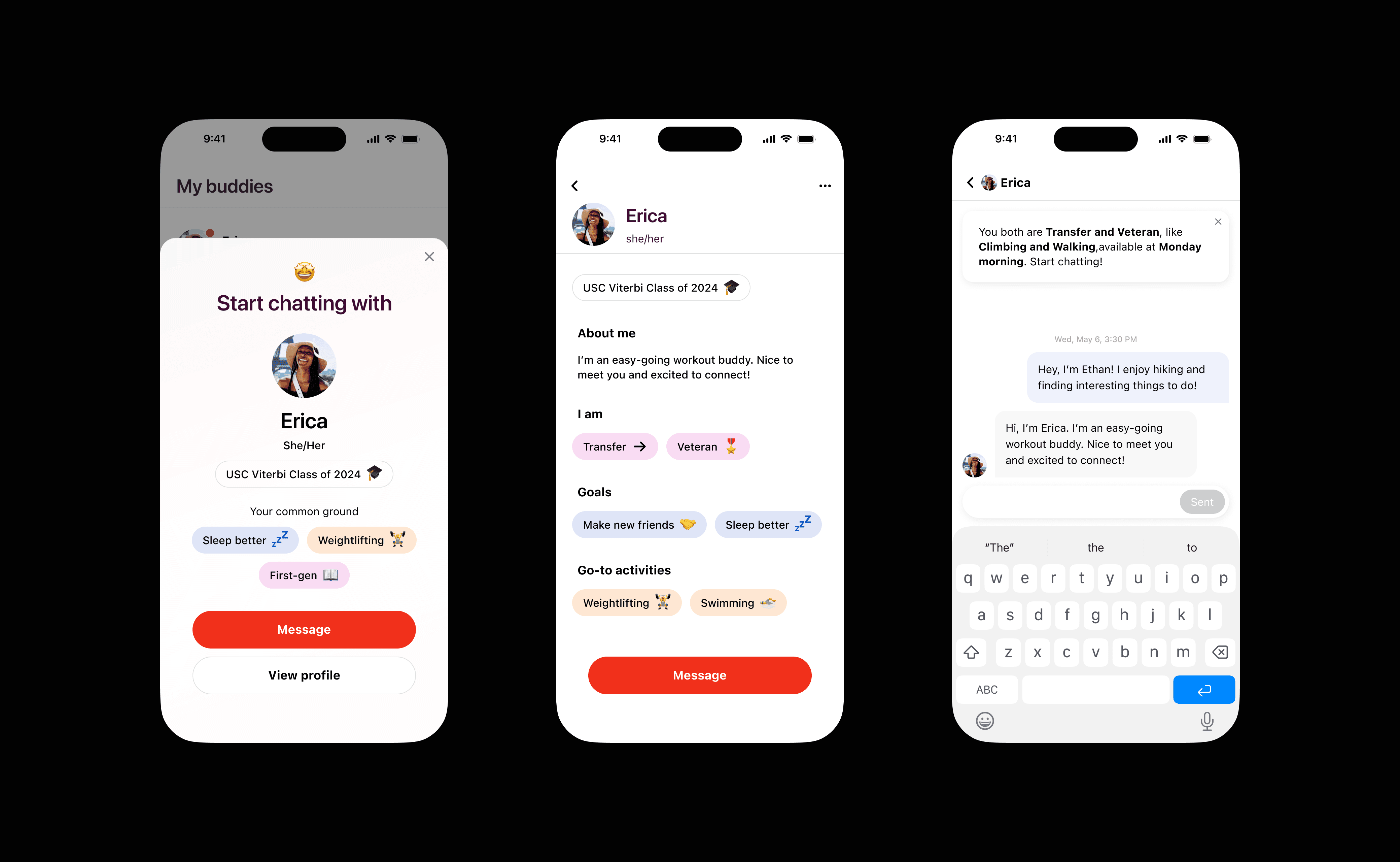
Key feature
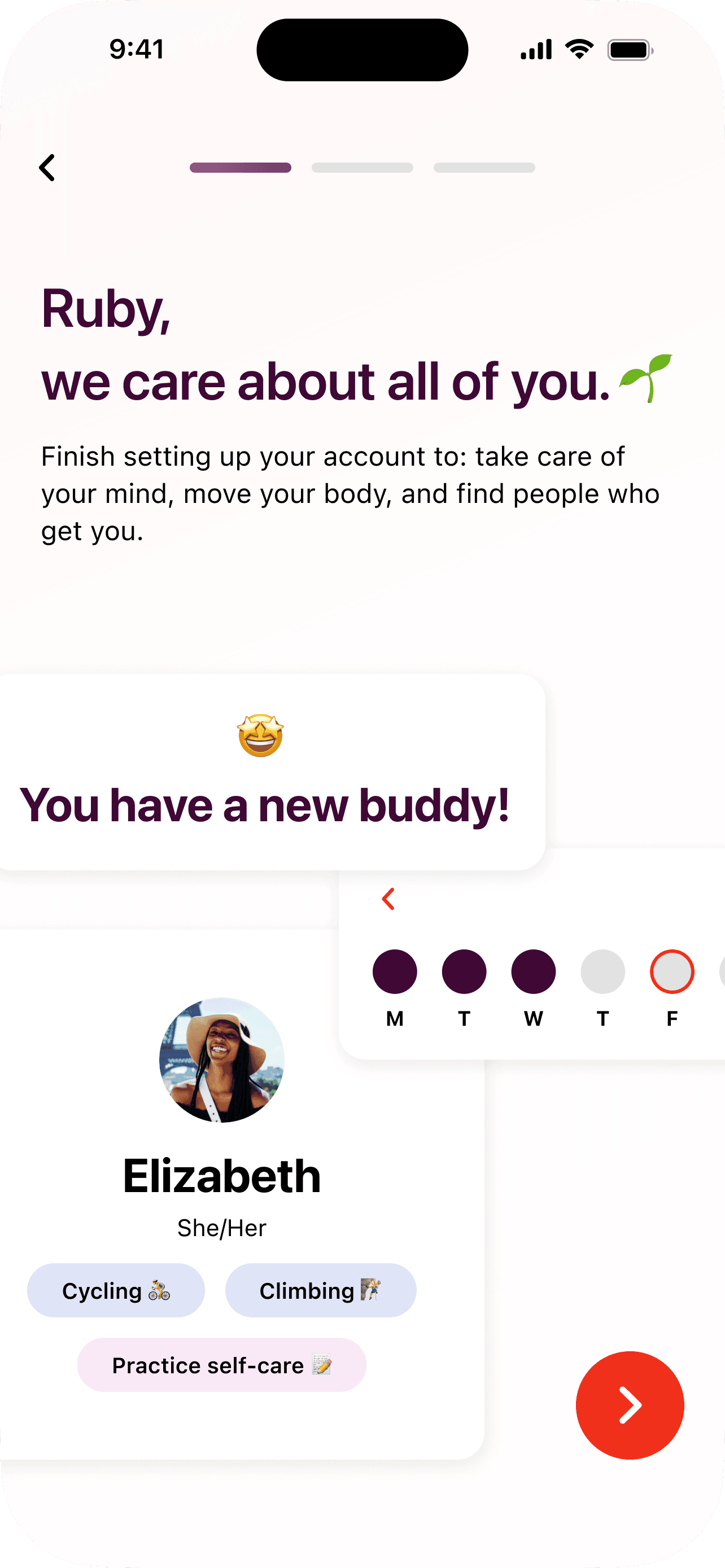
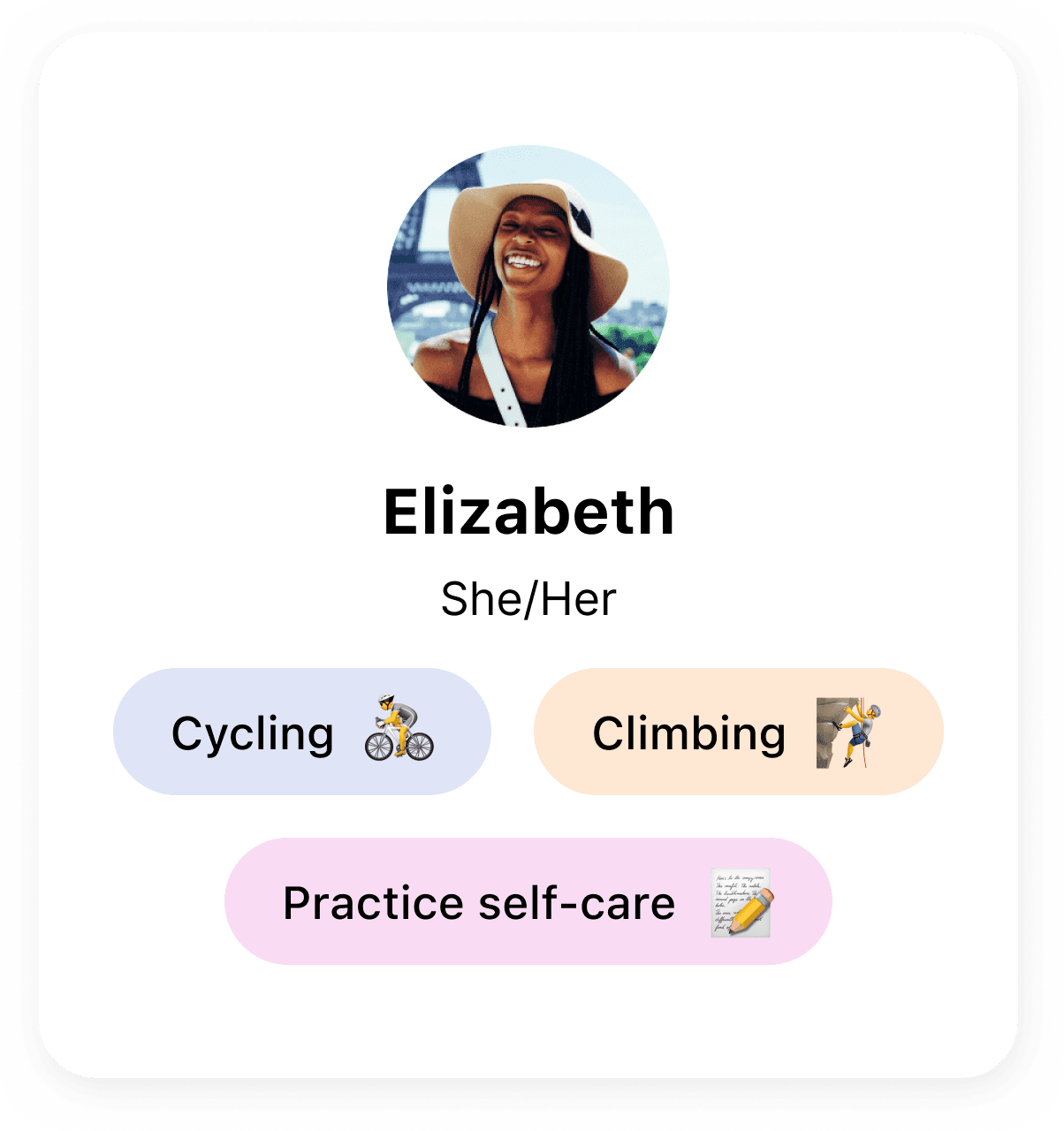
Auto-match workout buddies
Skip the swiping. We match you weekly based on your preferences.
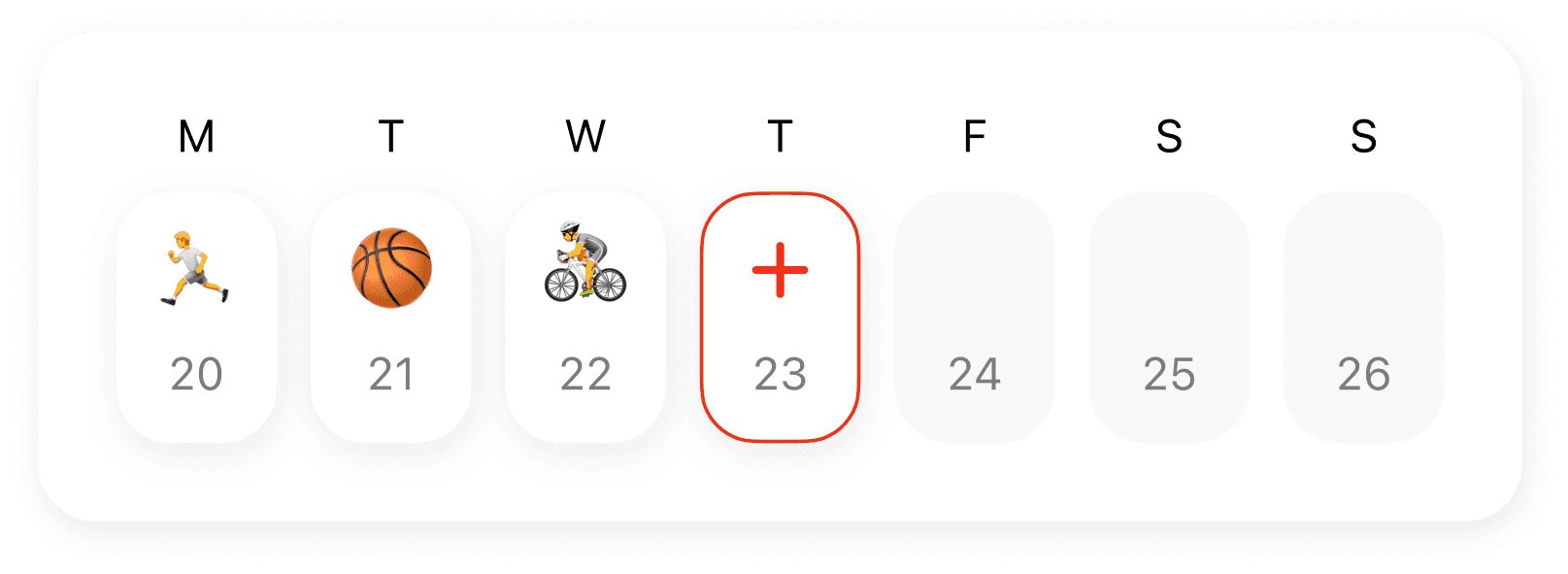
Log your day with ease
Track your workouts and vibes like chapters in a story.
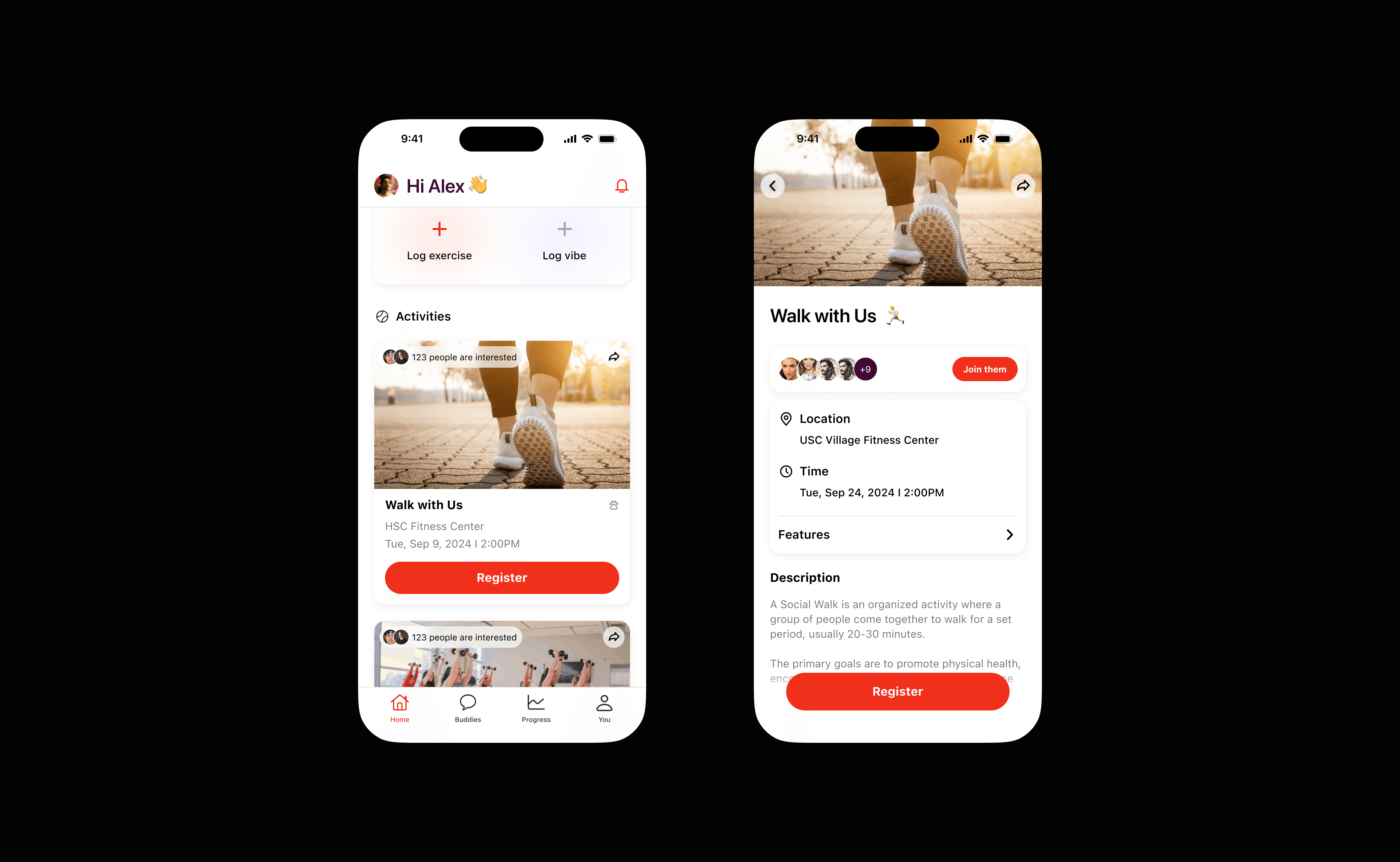
Easy access to group activities
Make it easier to join group meetups and campus activities.
Team research
Both students and universities are overwhelmed by mental health challenges.
University students are struggling with mental health
74% Experience psychological distress (ACHA, 2023)
60% Feel lonely and isolated (Healthy Minds Study, 2023)
40% Do not feel sense of belonging (ACHA, 2023)
Mental health — the No. 1 reason for dropping out
1 in 3 college students are considering dropping out and 68% of them blame mental health issues. (The State of Higher Education 2024, Gallup)
$66 Billion in potential tuition revenue lost annually in the U.S. due to mental health challenges among students. (NCES)
Challenges — insights from 50+ interviews with university leaders
Low student response rate for assessment surveys (9%-11%)
Untimely data and lack of engagement insights hinder targeted mental health programming
Traditional solutions do not align with Gen-Z behaviors
Counseling service long wait time (7-14 days on average)
For students
Problem
Students lack clear motivation and structure to step out of their comfort zones, resulting in negative impacts on both physical and mental health.
Vision
Help students step out of their comfort zones and build healthier physical and mental routines through real-world connection.
Solution — SoFiiT app
At first, we focused on matching users with similar interests, which can help ease anxiety to some extent. However, this single approach was too limited and didn’t address the root problem, as users might still end up chatting at home instead of meeting in person.
Therefore, we conducted some research and discovered that workouts can reduce depression and anxiety by 26%. This led us to combine workouts with user matching to solve this issue.
The app also provide clear entry points to support students when they feel down.
For universities
Problem
Lack of timely ways to understand students' mental health, and low completion rates for related questionnaires.
Outdated platforms make campus activities hard to access for many students.
Vision
Provide universities with real-time wellness insights, disaggregated reporting, and privacy-first analytics to support data-informed decision-making.
Solution — SoFiiT dashboard
With student consent, wellness and mental health data is collected through the SoFiiT app and summarized in a dashboard for universities.
Design iteration 1
Onboarding low completion rate
We need to understand students’ preferences in order to make better matches. However, the current flow is too messy, and we also identified a data issue: only 29% of users completed filling out their match preferences during onboarding.
Reason 1
The intro screen before users enter the matching questions abruptly shifts from light to dark, disrupting the existing user flow and making it harder for users to adapt.
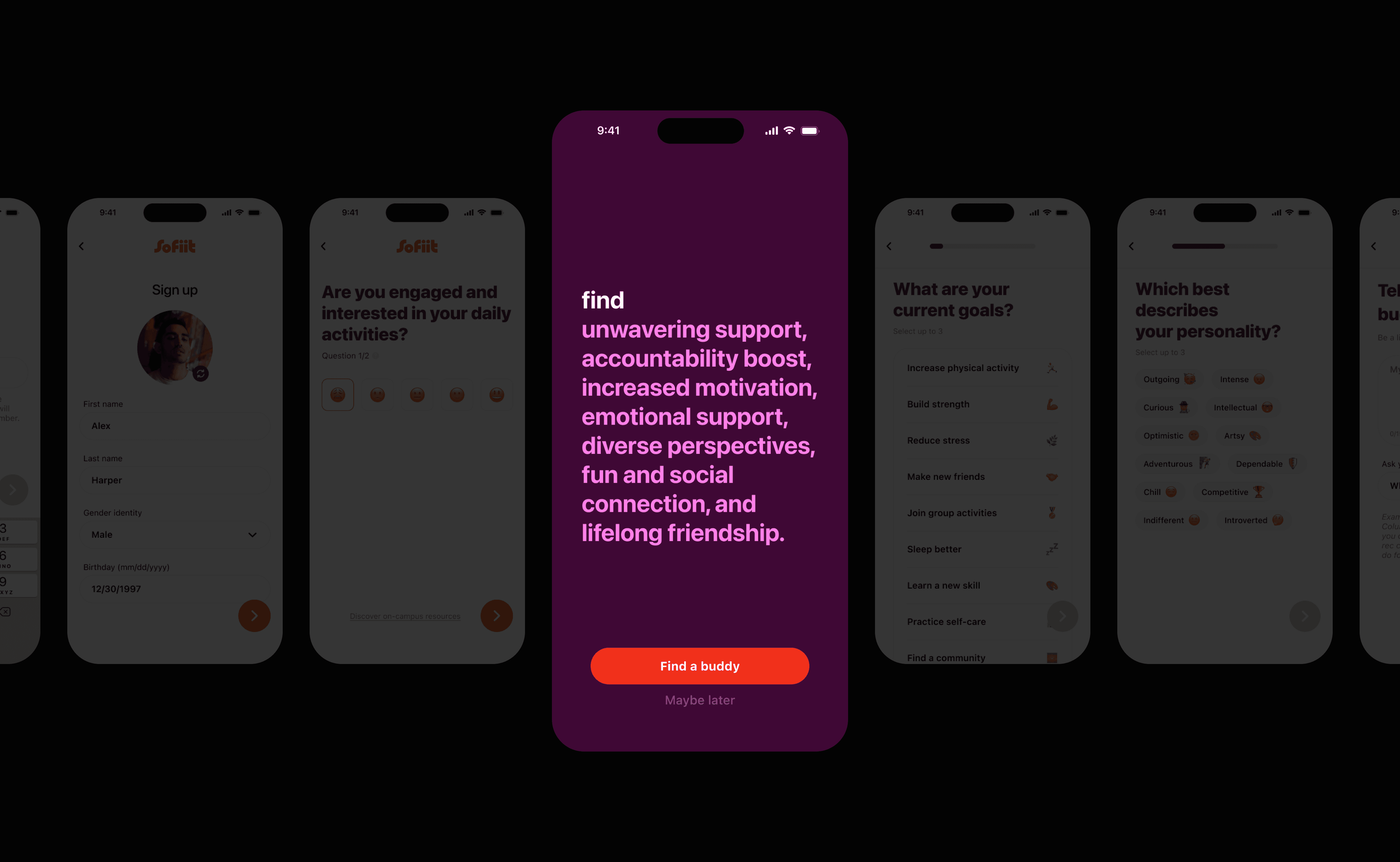
I explored multiple visual directions to ensure a smooth and connected onboarding experience.
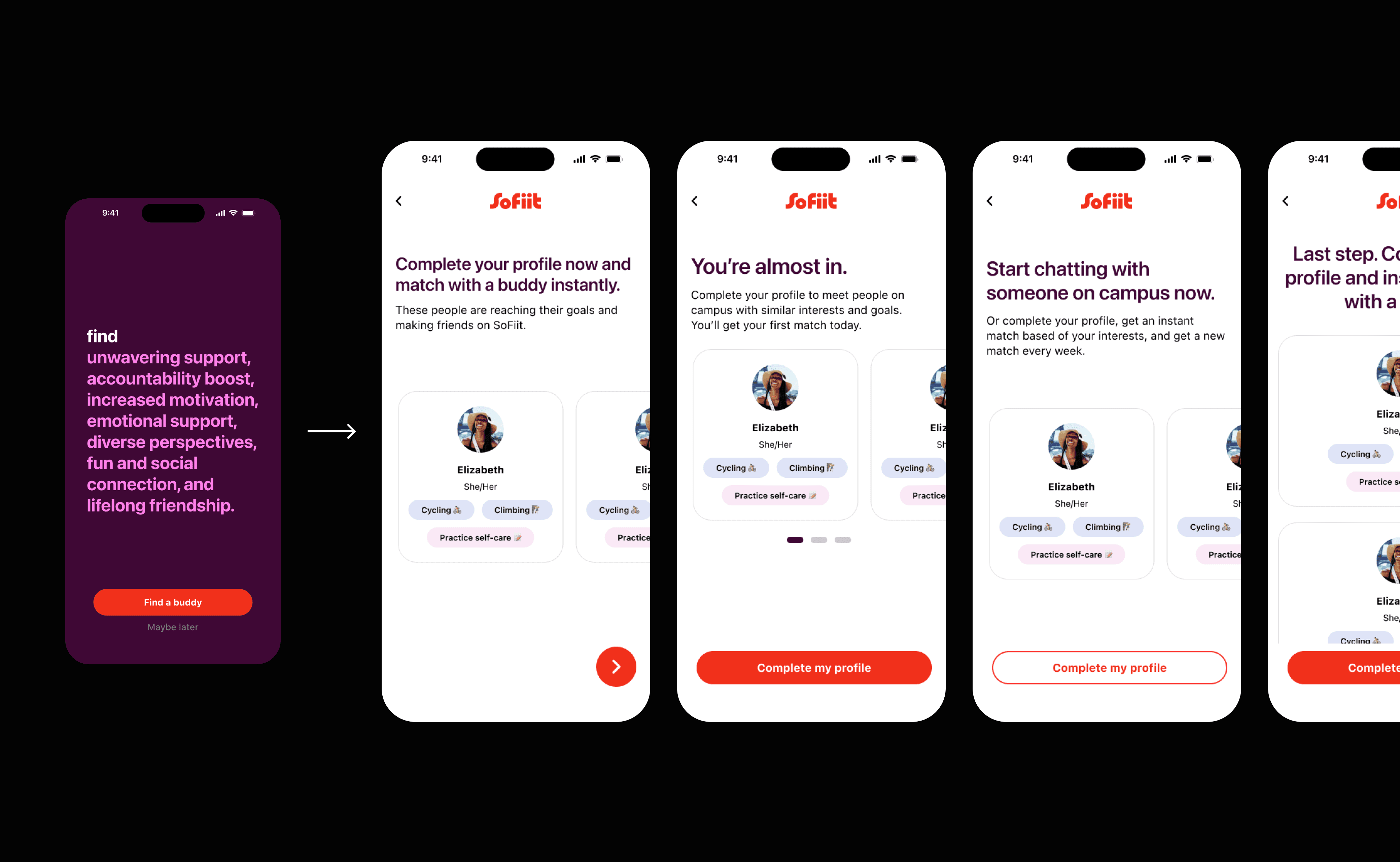
Final choice
Reason 2
Lengthy and tedious onboarding steps discourage users from completing the process.
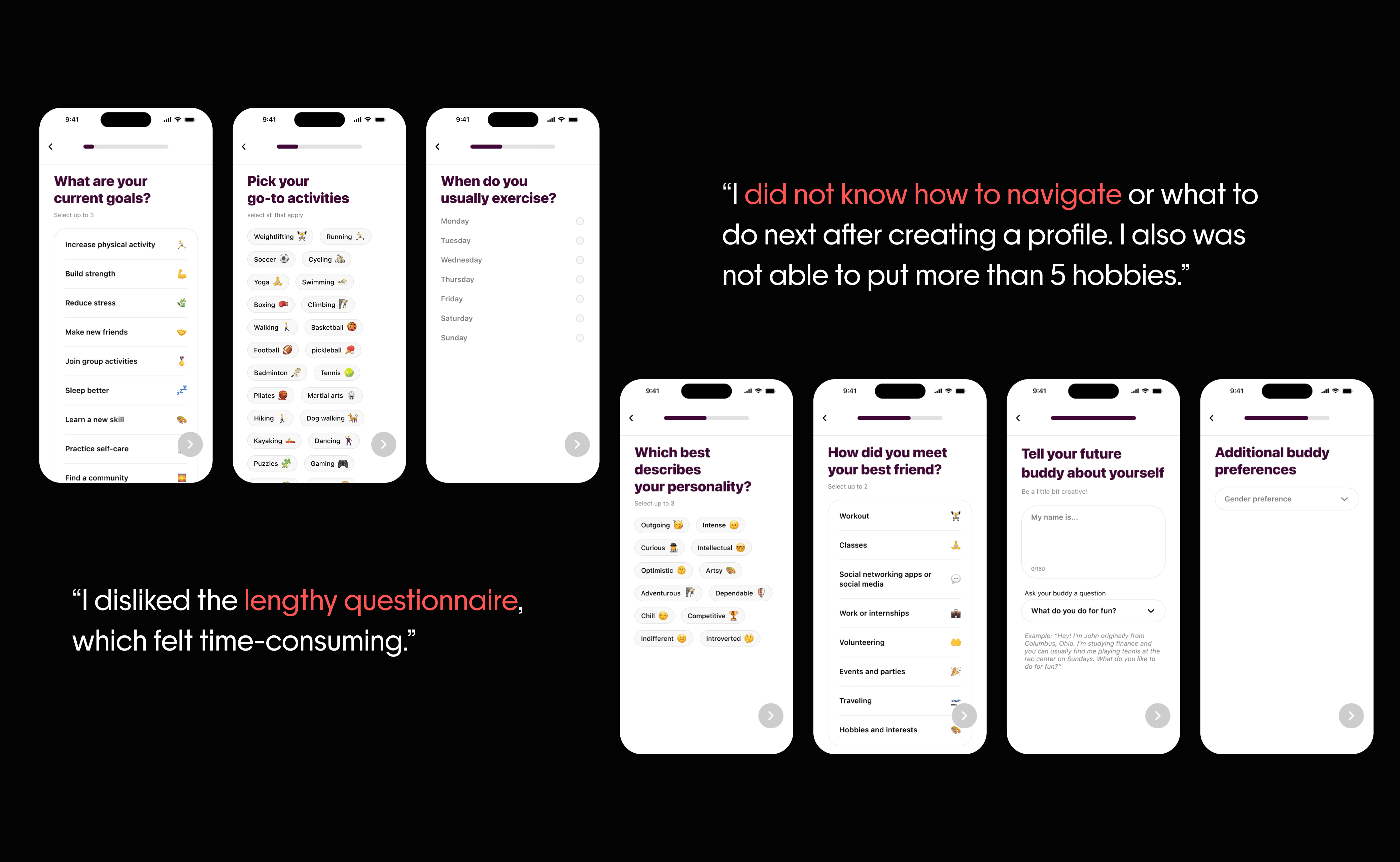
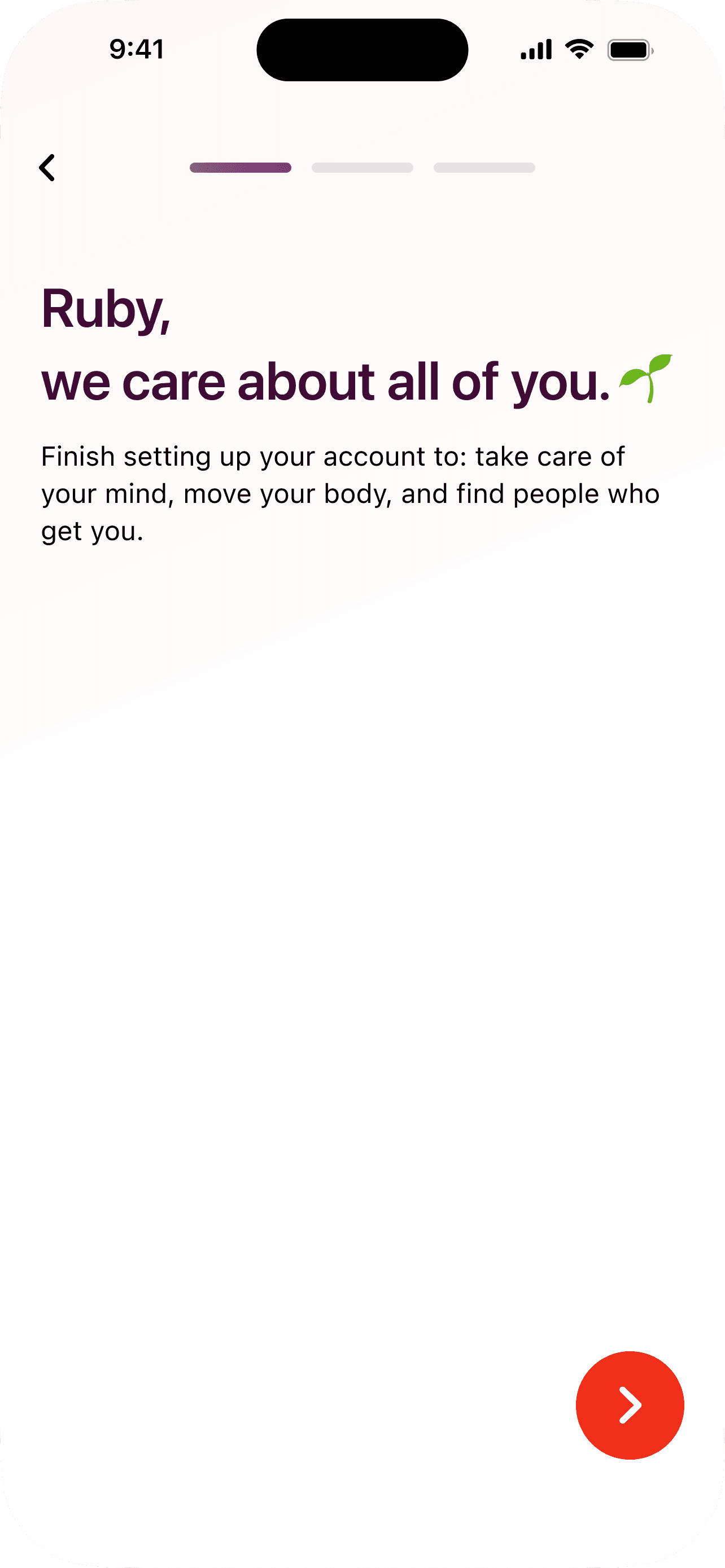
The UX flow was refined by introducing three lightweight intro screens before each section. Users received clear context without disrupting ongoing actions.
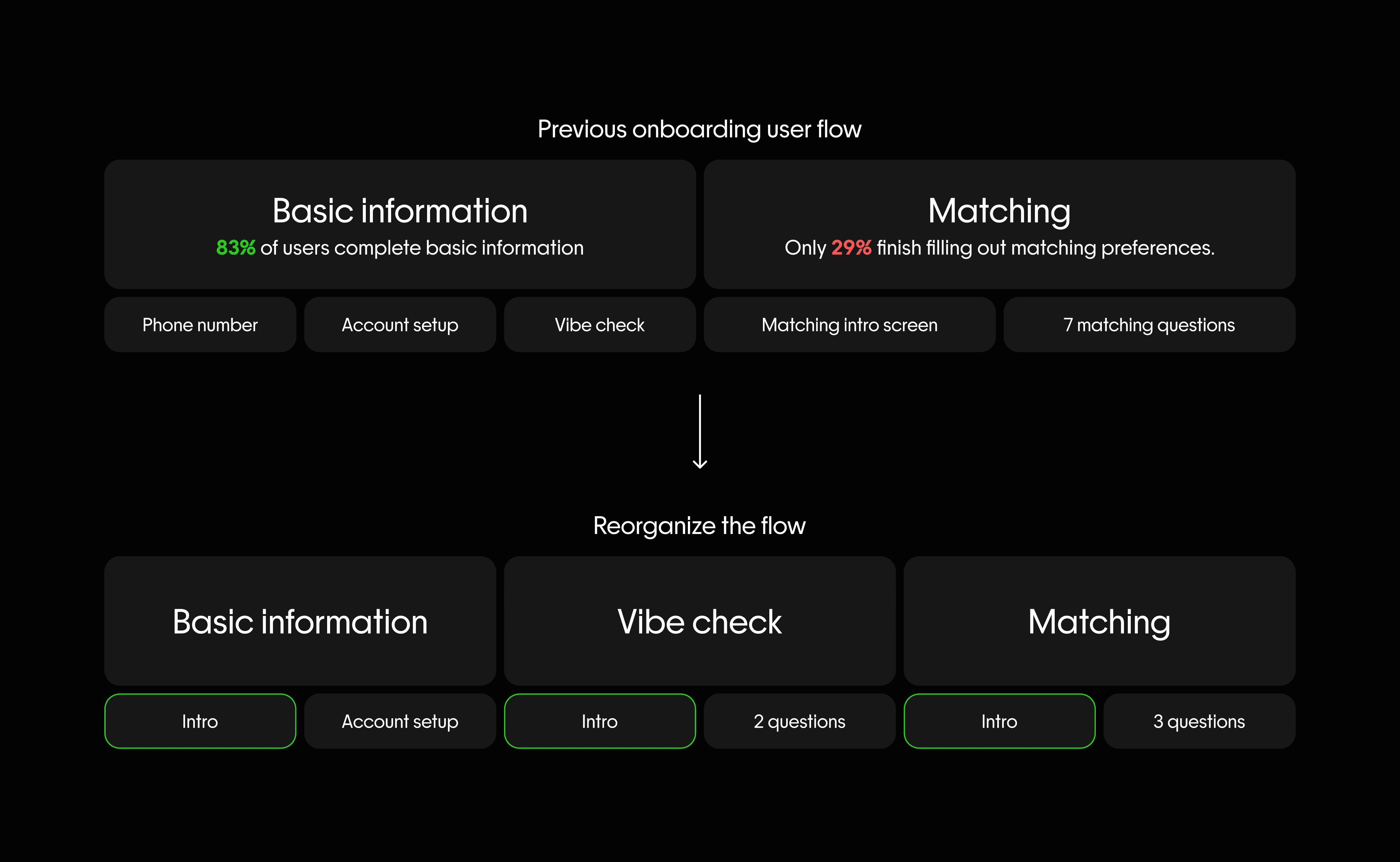
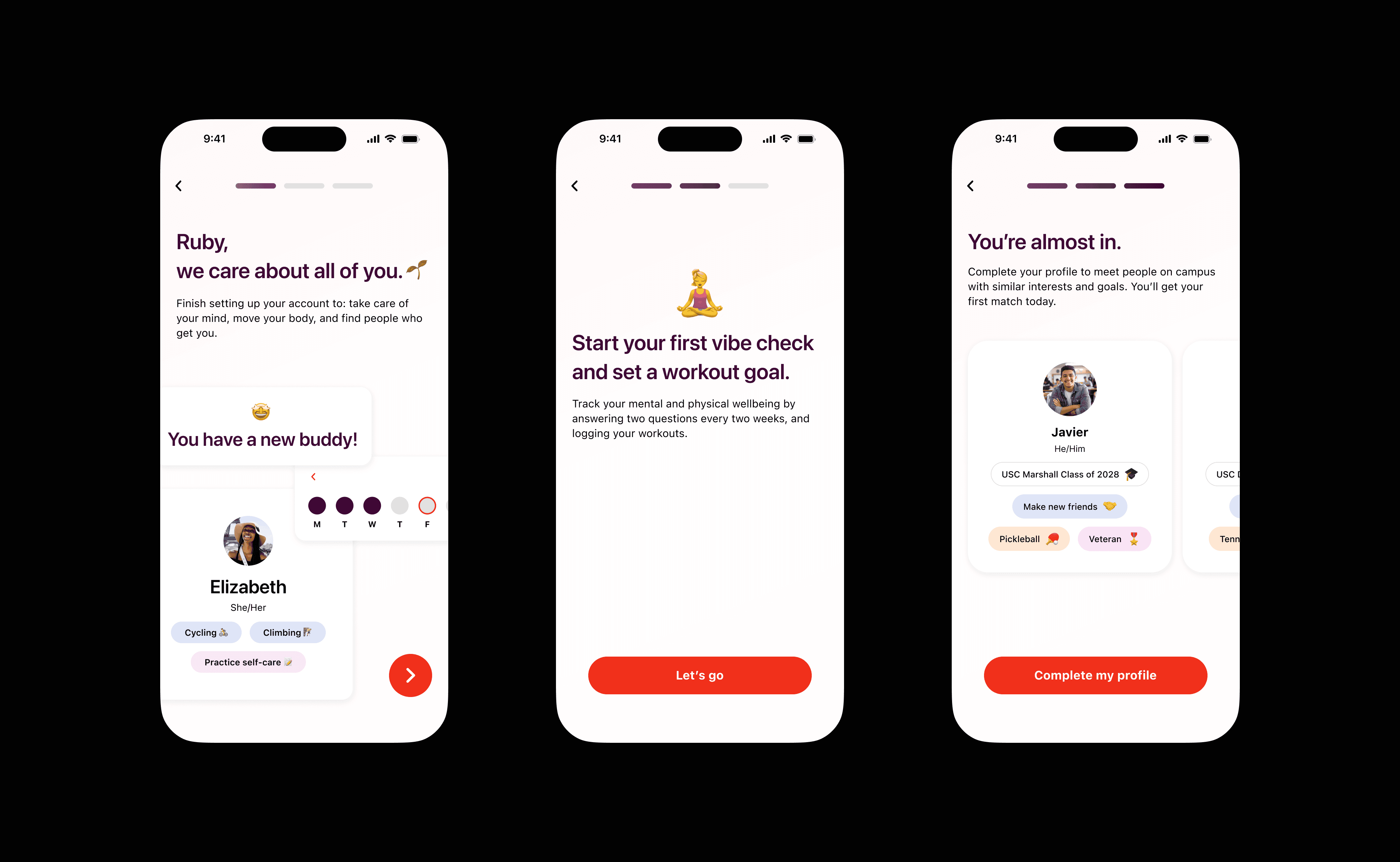
Final onboarding flow
Achieved a 68% completion rate for matching preferences.
Design iteration 2
Matching mechanisms
Conventional matching mechanisms are NOT compelling enough to attract users.
Our goal is to keep users engaged on the platform while helping them find the right match. We explored and tested several different rounds and directions.
Round 1 — subscription model
Charging users created high entry barriers for a new platform.
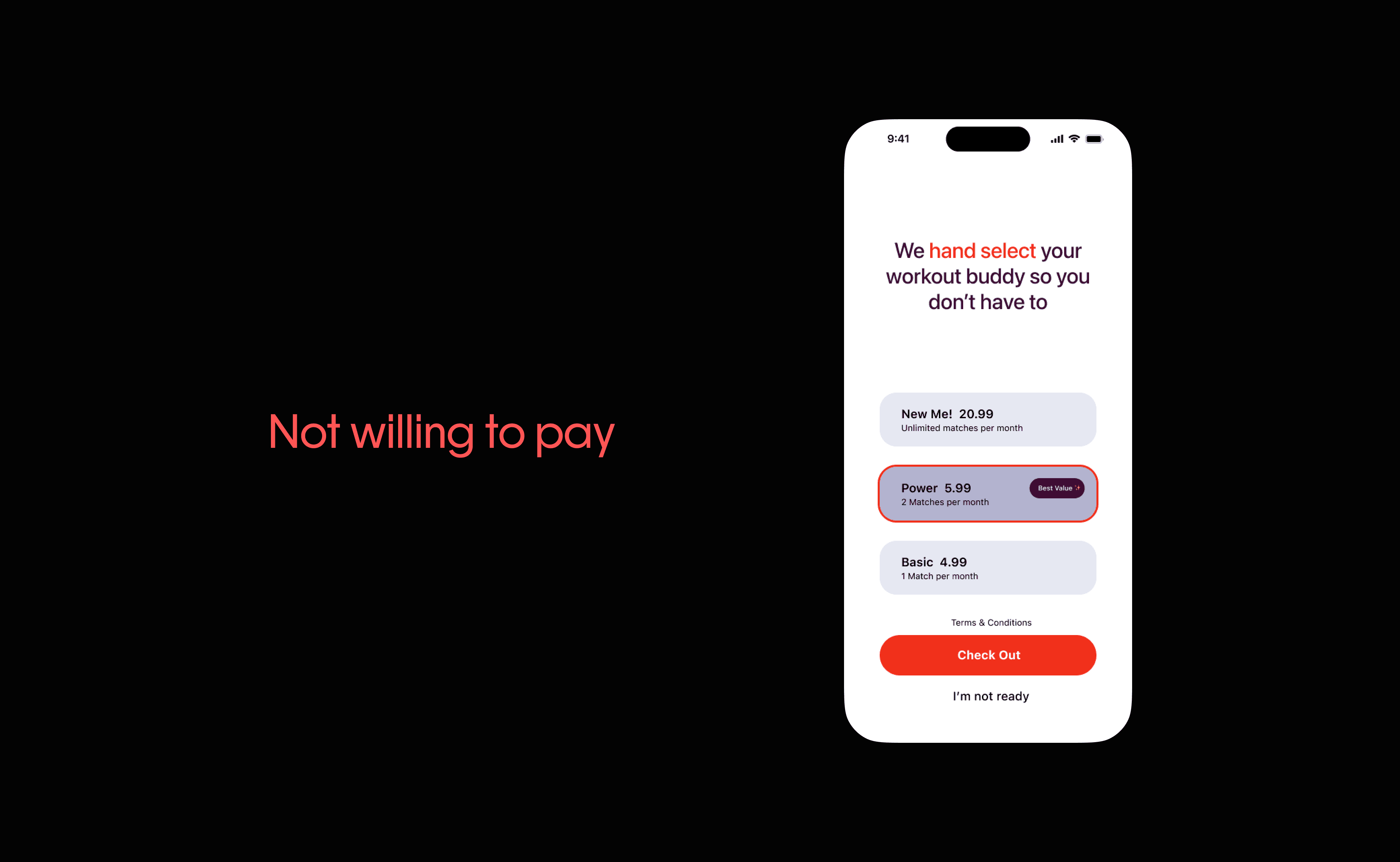
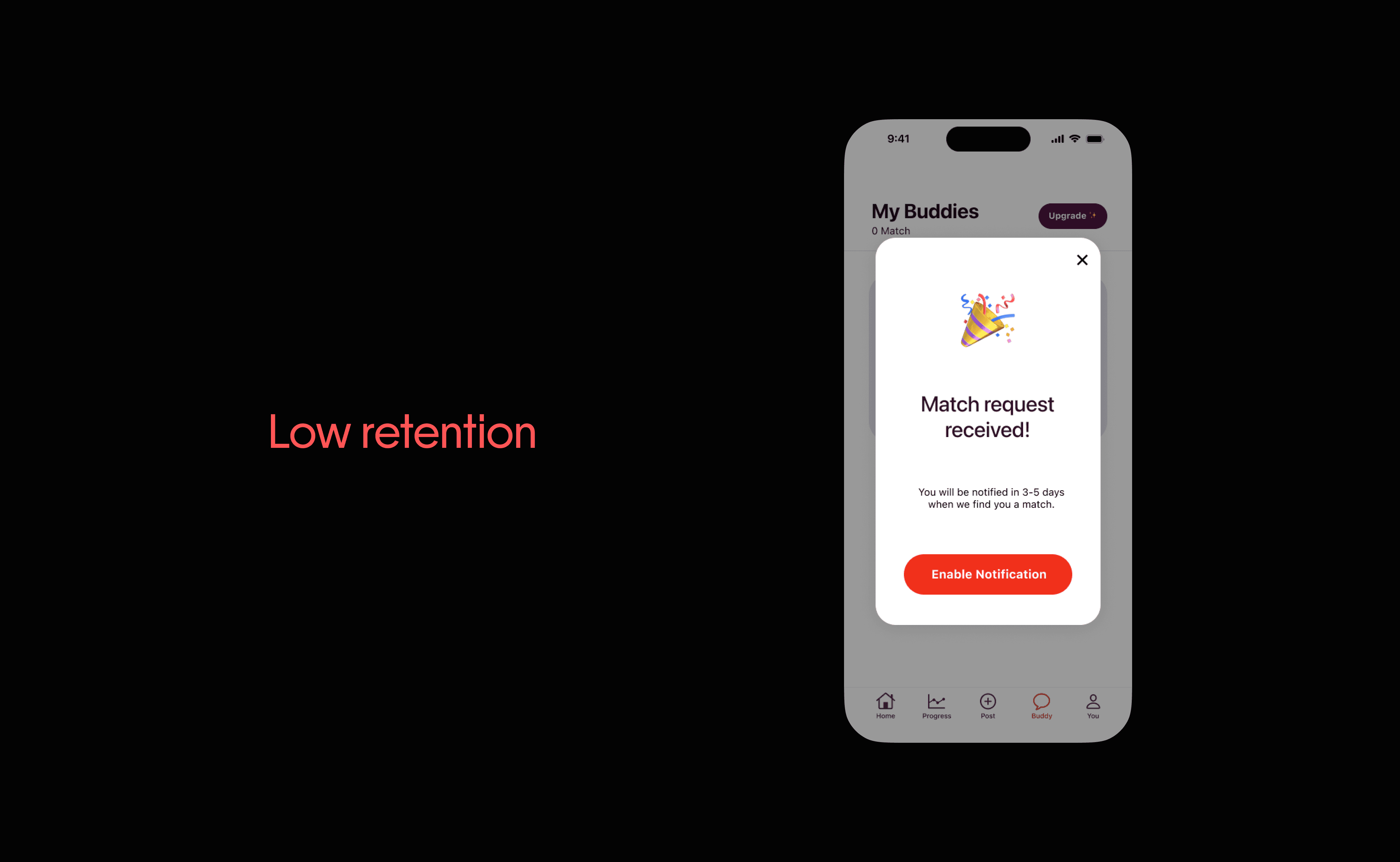
Round 2 — unlimited free matching
This led to excessive matches, causing user fatigue and loss of interest. Many users didn’t return to the platform.
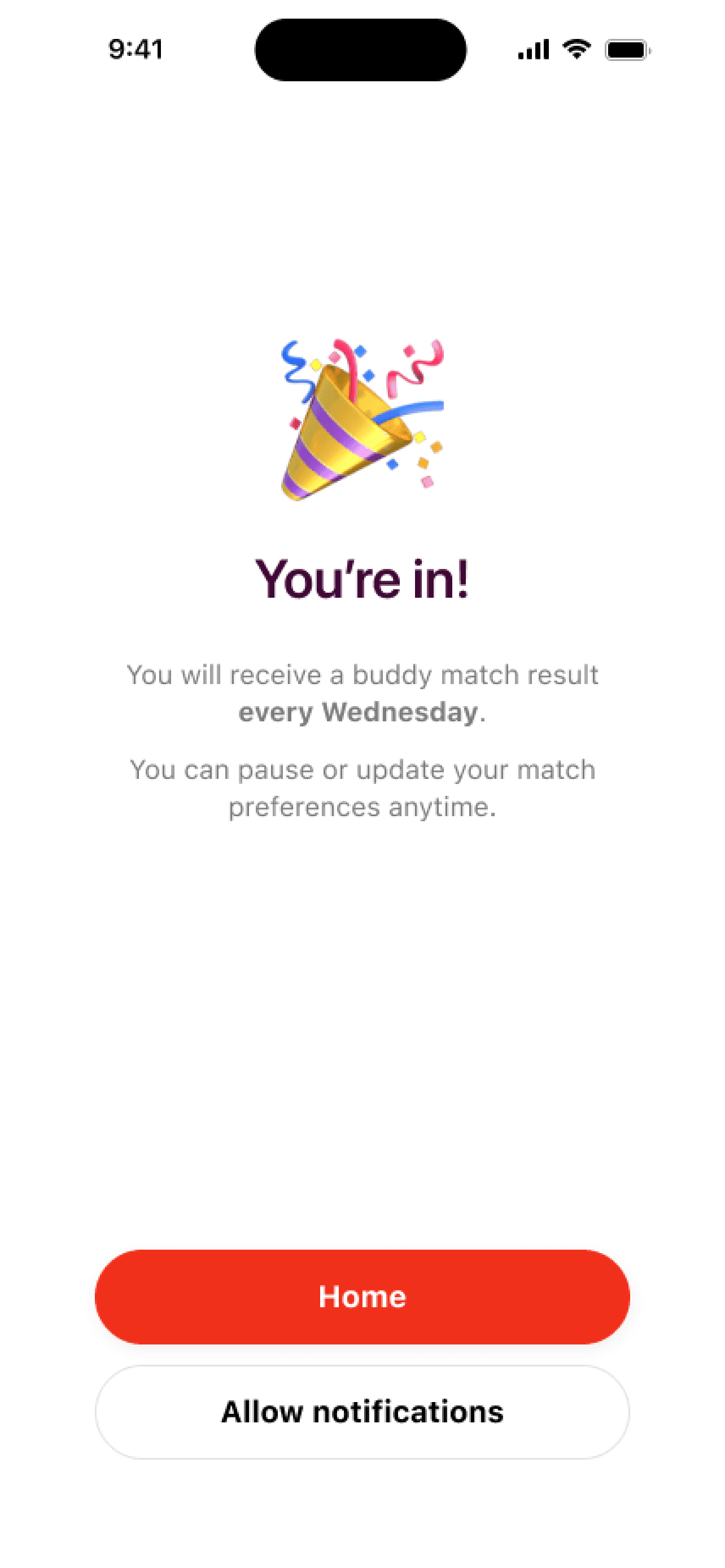
Final direction — automated matching
A 42% increase in 14-day retention after launch.
This solved the problem by removing the need for manual actions. Users receive three “surprises” every week.
Design iteration 3
Low effective conversation rate
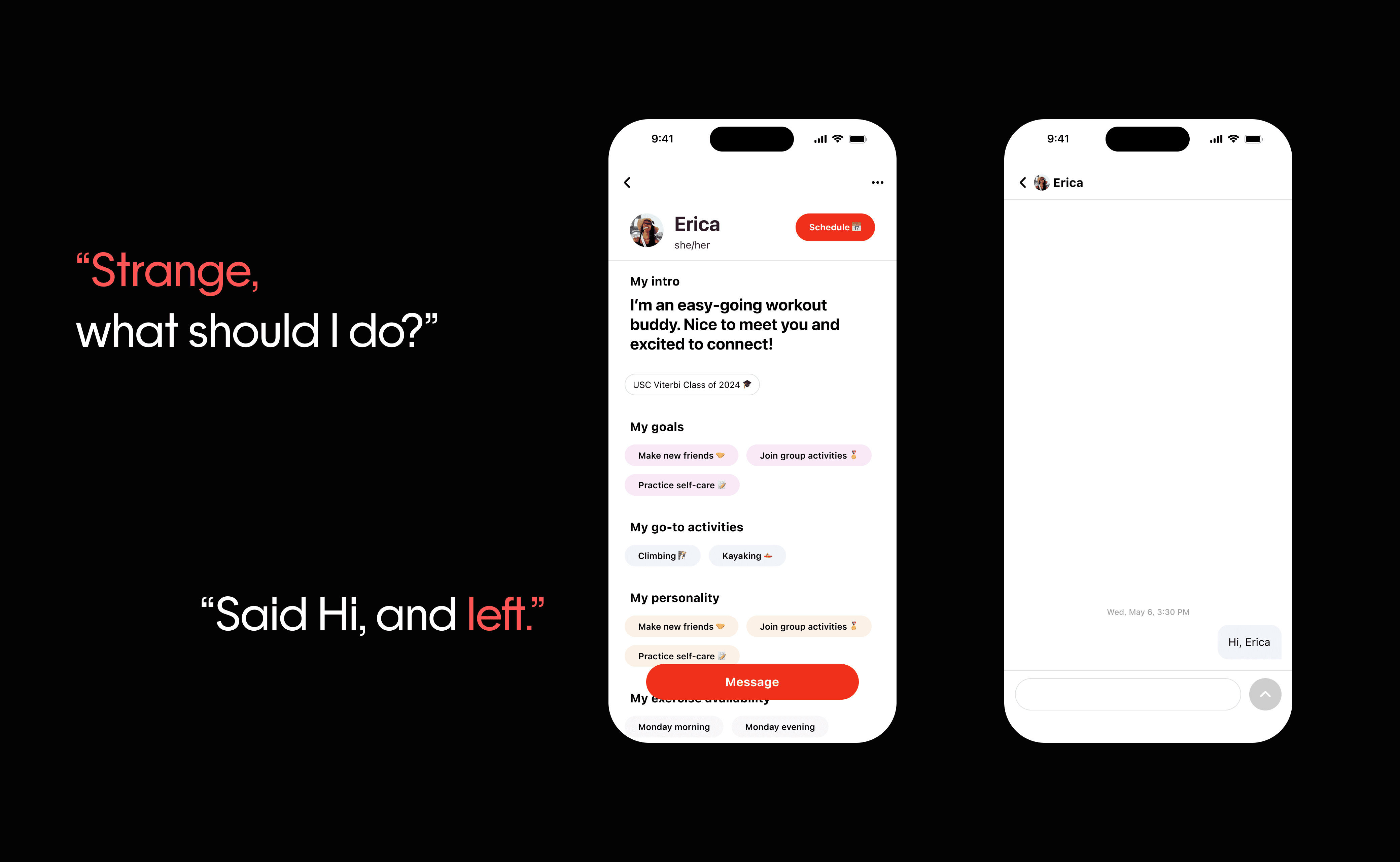
Users don’t want to start chatting after being matched.
In our internal focus group testing, 83% of participants were either unwilling to start a conversation or didn’t know what to say.
Analyze previous design
After being matched, users can directly access the other person’s profile and start a conversation. However, since the chat interface is blank, it’s difficult for them to initiate or build a conversation based on the profile content.
Final design
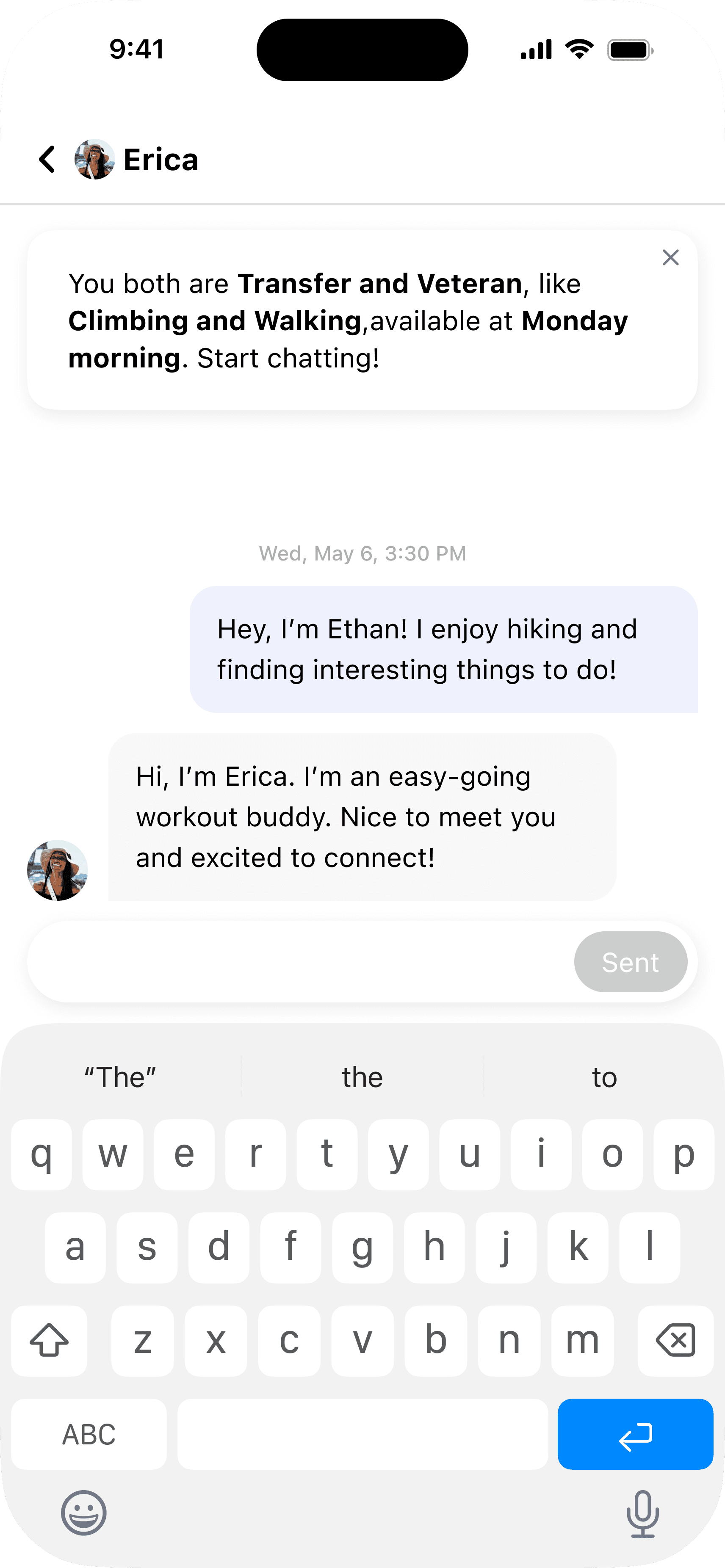
Meaningful conversation starts rose from 12% to 34%.
Instead of just showing profiles, AI highlights shared interests and automatically sends an intro with a starter question to help the chat begin instantly.
Outcome
0 to 1 product launched, iteration based on data
Designed hundreds of screens, iterated quickly, and shipped in a fast-paced environment.